Energy is the biggest import from Canada and it escaped
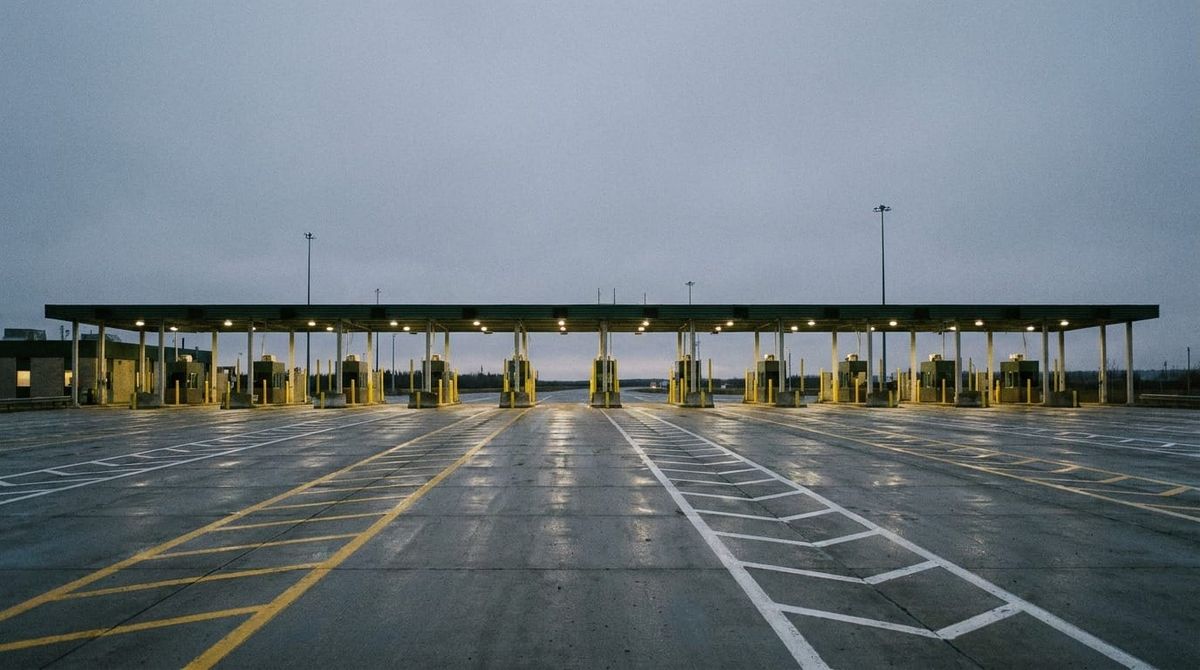
Energy is the biggest import from Canada and it escaped
The Budget Analyst
Budget Like a Product. Think Like an Analyst.
Tuesday · August 25, 2026
Quick Hits
A Tariff, A Chip Report And A Speech
  Tariffs take effect. A 50 percent duty now applies to roughly $20 billion of Canadian goods, with counterpart duties on American exports scheduled for the eighth of September.
  Chips drag the Nasdaq. The index fell about 0.8 percent on Monday while the Dow closed higher, with semiconductor names taking the worst of the trade headlines.
  Two events this week. Nvidia reports on Wednesday and the Fed chair delivers his first Jackson Hole keynote on Friday.
 
Five Percent Of A Very Large Relationship
A
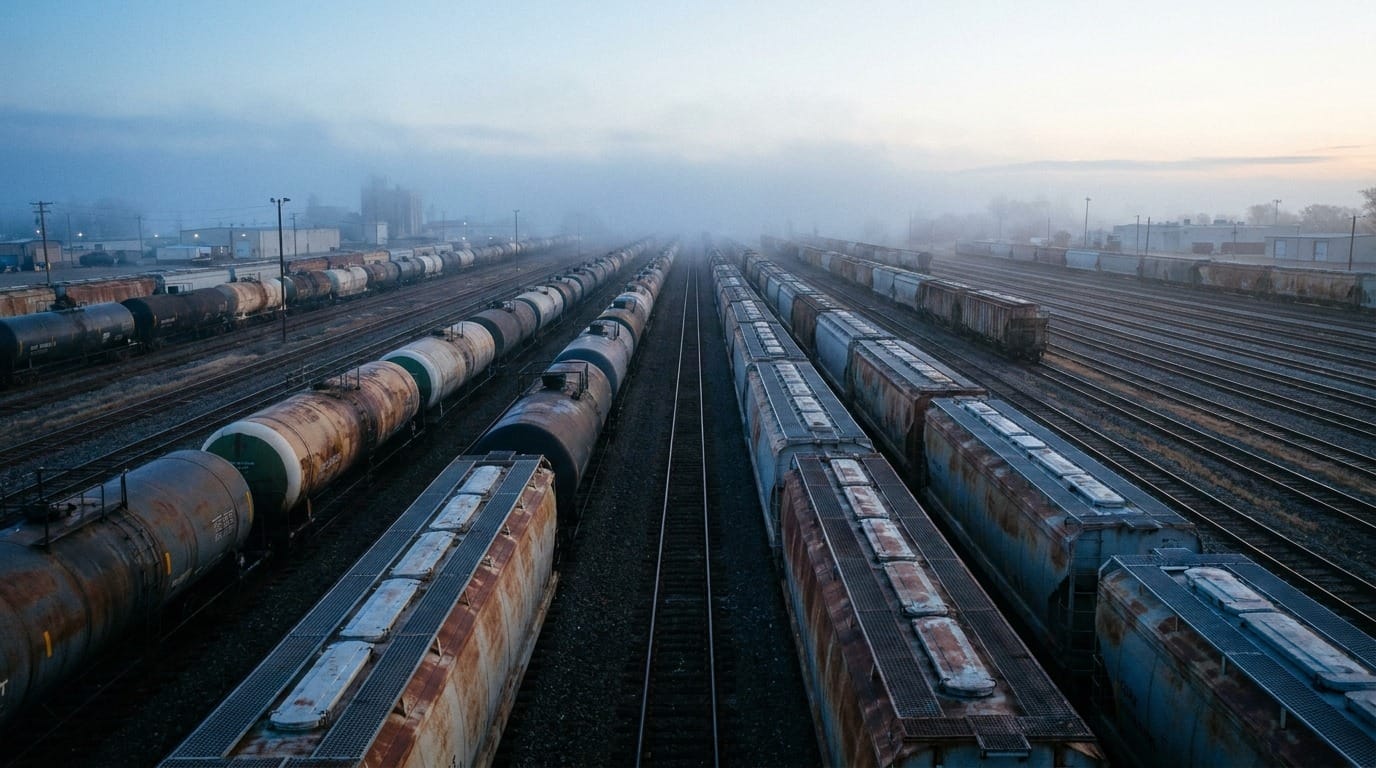
50 percent tariff took effect over the weekend on roughly $20 billion of goods arriving from Canada, and matching duties on American exports are scheduled for the eighth of September. Twenty billion dollars sounds enormous until it is set against the traffic that crosses that border every year. This measure covers about five percent of what Canada sells into the United States. The other ninety-five percent is what a household should be watching.
Freight rail yard
Sponsored *
Imagine skipping out on Ring before its $1.0B buyout by Amazon
Kevin O’Leary called it the worst mistake in Shark Tank history.. a 67,765% return missed!
By the time we hear about industry-changing companies, it’s usually too late. But right now, there’s a smart home startup making their way to homes in America. This tech startup is RYSE, and unlike Ring, you can still invest early – before it takes off.
Kevin O'Leary next to Ring doorbells
Like how Ring disrupted home security, this company is revolutionizing smart blinds & shades- with $20M+ in revenue, 70% annual growth, and sold in 100+ retail locations across the US & Canada.
🔒 Lock in $2.50/share before Aug 31  →
The Facts
What The Order Covers
T
he order applies a flat 50 percent rate to a narrow list of goods and took effect just after midnight on Saturday. Counterpart duties on American exports are set to begin on the eighth of September, described as matching dollar for dollar, with the announced targets concentrated in steel, appliances, agricultural machinery, paper and electronics. Both lists are short by design. Neither side has touched the largest category yet.
That category is energy. The United States imported about $111 billion of energy from Canada in 2025 and sent back roughly $26 billion, for a two-way total near $137 billion. Crude oil alone made up 69 percent of the value, running at about 3.9 million barrels a day. None of it is covered by the new tariff, and none of it appears on the counterpart list either.
Markets treated the whole thing as a headline rather than a shock. The Dow closed higher on Monday while the Nasdaq fell about 0.8 percent, with semiconductor names taking the worst of it. Gold added roughly 1 percent. Crude slipped. The volatility index rose about 6 percent from a low base, which is the market's way of saying it has noticed something without yet deciding what.

Customs paperwork desk
• • •
What It Touches
Two Doors, Very Different Widths
F
or an American household the exposure runs through two doors. The first is the shopping basket, and it is narrower than the coverage suggests: a fifty percent duty on a short list raises the price of those specific items and leaves everything else alone. The second door is much wider. Refineries in the Midwest are built to run heavy Canadian crude, a good share of the lumber that frames American houses comes across that border, and several northern states import electricity through it on ordinary weekday evenings.
None of that second group is tariffed today. The point is that it could be, and the date on the calendar is the eighth of September. Between now and then the useful question for a household is which of the untouched categories would show up in a monthly budget if the list grew. For most families the answer is fuel, housing materials and the power bill, in that order. The current list, by contrast, costs a typical household very little.

Sponsored
Calls. Puts. Strikes. Premiums. Greeks.
If you've ever tried to learn options and your eyes glazed over by paragraph two… you're not alone.
video
This free guide strips out the jargon.
No textbook talk. No confusing formulas. Just options explained the way a friend would explain it over coffee — with real trade examples you can copy into your own account.
Normally $29.97. Free today while the link works.
Download your copy now.
Zoom Out
The Category Nobody Touches
E
scalation is usually described as a political process, and it behaves more like a mechanical one. Each side picks goods that hurt the other and spare its own consumers, which is why the opening lists are small, symbolic and aimed at industries with concentrated producers. Energy sits outside that logic. It is too large, too physically integrated and too fast to show up at the pump, which makes it the last thing either side reaches for and the first thing anyone should watch.
The integration is not a matter of preference. Pipelines run in one direction, refineries are configured for a particular grade of crude, and transmission lines were built across the border decades ago on the assumption that they would stay open. Redirecting any of it takes years and capital rather than a signature. That is exactly why a tariff on energy would move consumer prices faster than a tariff on almost anything else, and exactly why it has stayed off both lists.
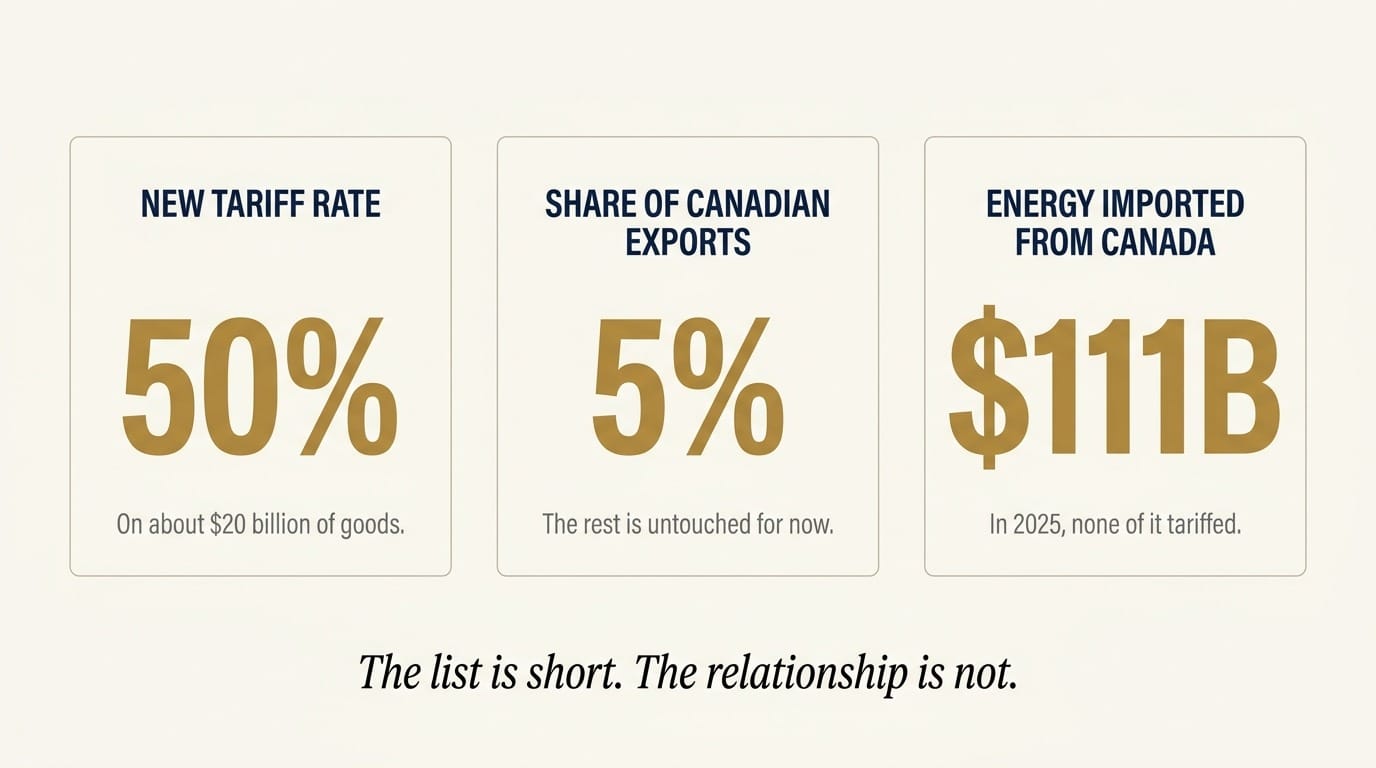
What crosses the border
So the sensible reading of the weekend is that a small measure landed and a larger question opened. Trade actions of this kind tend to resolve in one of two ways: a negotiated climbdown in which both lists quietly expire, or a widening that starts touching categories the public actually notices. The eighth of September is when the second path would begin. Until then the exposure sitting in most American budgets is unchanged, which is a fact worth holding on to while the headlines get louder.
• • •
Sponsored
I need to be upfront with you.
This report normally sells for $97.
Investment firms pay $5,000+ for the same intelligence inside it.
But today — for a limited number of readers — I'm sending it to you completely free.
Here's what's inside:
The Bellweather Signal — 7 warning signs that predicted every major economic collapse since 1929.
Right now, all 7 are flashing red.
Book cover with warning triangle
I've spent 15 years helping conservative Americans protect their wealth from government overreach and economic manipulation.
After watching millions of hardworking families get wiped out in 2008, I made a promise:
Never again would I let good people get blindsided by a crisis the insiders saw coming.
This report is that promise kept.
Financial newsletters charge $97-$297 for research like this.
Today it's yours free.
But I can only send it to the next group of readers who claim it — after that, it goes back to full price.
Claim your free copy before it's gone →
For Your Portfolio
D
o nothing on the basis of a tariff list this narrow, because the direct cost to a typical household is close to noise. Use the interval instead to check what your portfolio actually holds in industries that depend on cross-border inputs, since refiners, homebuilders and utilities carry very different exposures here. And treat the eighth of September as a date to read the news carefully rather than a date to trade.
The list is short. The relationship is not.
— Claire
* Important disclosures. This is a paid advertisement for RYSE Inc. made pursuant to a Regulation A+ offering and involves risk, including the possible loss of principal. The valuation is set by the Company; there is currently no public market for the Company's Common Stock. Nasdaq ticker "$RYSS" has been reserved by RYSE; any potential listing is subject to future regulatory approval and market conditions. Past share-price appreciation does not guarantee future returns. SEC qualification does not constitute SEC approval of the merits.
RYSE Inc., 96 Spadina Avenue, Suite 500, Toronto, ON M5V 2J6, Canada